Why Tyler LeBaron Decided to Join InhaleH₂ After 16 Years in Molecular Hydrogen
For most of my career in molecular hydrogen research, I have been very careful about publicly endorsing specific hydrogen products or companies.

By
October 24, 2026
For most of my career in molecular hydrogen research, I have been very careful about publicly endorsing specific hydrogen products or companies.
Many people have heard me speak at conferences, participate in podcasts, or provide scientific consulting to various companies. But I have always tried to make one thing clear. My involvement in scientific education or consulting should not automatically be interpreted as an endorsement of a company or its products.
After more than 16 years in this field, that has changed in a significant way.
I am now a Co-Founder and Chief Scientific Officer of InhaleH₂, a company that has developed a molecular hydrogen inhalation device. I am also a named inventor on related patent applications and have an equity interest in the company.
This is the first time I have chosen to explicitly and publicly endorse a specific molecular hydrogen product, and I want to share how and why I came to that decision.
Why I Was Reluctant to Endorse Hydrogen Products
My journey with molecular hydrogen began in late 2009, when there were only about 50 published scientific articles exploring its potential biological and therapeutic effects.
I was fascinated by the science, but there was still so much we didn’t know. The early research was promising, yet the clinical evidence was limited, and many questions about mechanisms, dosing, and therapeutic effectiveness remained unanswered.
As the hydrogen industry began to grow, I saw products being marketed with claims that went far beyond the available evidence. In some cases, there were also legitimate questions about whether the products actually delivered meaningful concentrations of molecular hydrogen.
These concerns were among the reasons I founded the Molecular Hydrogen Institute (MHI) in 2013. I wanted to help advance the research and provide accurate scientific education before misinformation became too widespread.
Over the years, numerous companies approached me about officially joining their organizations, promoting their products, or becoming a public spokesperson. Although some of these opportunities were financially very attractive, I consistently declined.
Sometimes it was because I had concerns about the products or the companies themselves. Other times, even when I respected the company and believed its products were good, I couldn’t identify sufficient objective reasons to endorse one over another.
For example, there are numerous ways to produce hydrogen-rich water, including tablets, bottles, and larger generators. Even within a particular category, multiple companies may offer products with similar performance and hydrogen concentrations. If two products both meet appropriate quality and performance standards, why should I publicly endorse one over the other?
There are also differences in price, convenience, portability, reliability, and personal preferences. What works well for one person may not be the best choice for another.
I was also cautious about promoting products for therapeutic purposes when the scientific evidence was still developing and many proposed clinical benefits had not been sufficiently established.
While I did provide scientific consulting and educational services to various companies, those relationships were different from publicly endorsing or promoting their products.

For years, I was even reluctant to have my name publicly associated with companies as a scientific adviser, particularly before completing my PhD. I didn’t want my name, academic involvement, or reputation to be used as a credibility anchor for a company’s marketing in ways I had not intended.
I also regularly clarified that speaking at a company’s conference, appearing on a podcast, or participating in an educational event did not mean I endorsed the associated products, claims, or organizations (see endorsement is not participation article).
I wanted people to trust the scientific information I shared because of the evidence behind it, not because of any perceived endorsement or commercial association.
The Conversation That Started InhaleH₂
Around 2018, I was talking with Alex Tarnava, the inventor of hydrogen-producing tablets. I had come to respect his approach to business and science during the years I had provided scientific consulting related to the hydrogen tablet development.
Alex approached me with a question.
Now that he had developed an effective way to produce molecular hydrogen in water, how could we provide hydrogen through inhalation while ensuring that people received consistent concentrations relevant to clinical research without introducing serious flammability hazards?
He initially wanted to know which existing inhalation machine I would recommend.
I explained that his concerns were valid and that I was not comfortable recommending the conventional devices we had been evaluating.
The problem was that many systems used nasal cannulas to deliver hydrogen gas at concentrations and flow rates that did not necessarily correspond to what a person actually inhaled.
At low flow rates, the hydrogen could be substantially diluted by room air, potentially producing inspired concentrations below those typically investigated in clinical studies. Increasing the flow rate could increase the inspired hydrogen concentration, but it also introduced greater concerns about flammable gas accumulation and localized hydrogen concentrations.
Moreover, because people’s respiratory patterns vary, even the same machine operating at the same flow rate could deliver considerably different inspired hydrogen concentrations between individuals or within the same individual at different times.
We needed a different approach.
Alex asked how I thought these challenges could be addressed. I shared how we did things during my PhD research and in other major clinical studies the use of compressed tanks containing 1-4% H. Recognizing the impracticality of that approach for home users or typical clinics, I suggested several ideas based on respiratory physiology, dosing, and safety considerations (ref). He subsequently asked whether I would consult on the development of such a device, and I agreed.
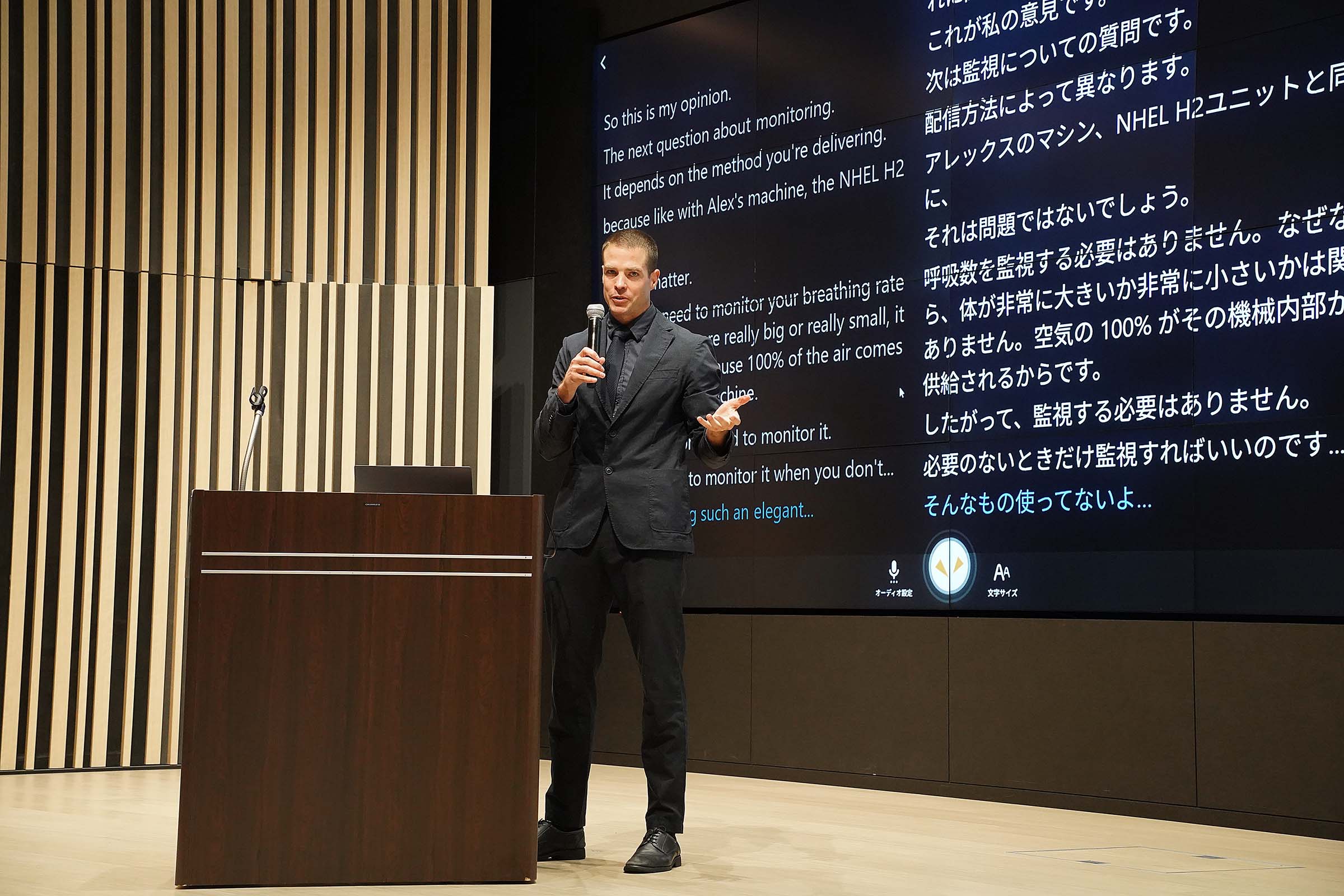
What followed was a lengthy process involving engineering challenges, prototypes, revisions, and testing. Alex deserves considerable credit for his persistence in bringing the technology from an idea toward a finished product.
My contributions to the design also led to my being named as an inventor on related patent applications.
However, even throughout this process, I had not initially planned to become a company founder, take on an executive role, or publicly endorse the product.
Why I Ultimately Decided to Become Involved
Over time, something became increasingly clear to me.
There were already many people willing to spend significant amounts of money on hydrogen inhalation devices, even though the clinical evidence for hydrogen therapy was still developing and no particular health outcome could be guaranteed.
Whether or not I endorsed these products, people were buying them.
I felt that if people were going to pursue hydrogen inhalation, they should at least have access to technology designed around two fundamental principles.
First, minimize the inherent flammability hazards associated with hydrogen inhalation. Second, ensure that the actual concentration of inspired hydrogen could be consistently controlled and delivered in the therapeutic range, regardless of individual differences in breathing.
These became central design objectives for InhaleH₂.
The device was developed to provide controlled concentrations of inspired hydrogen within a range relevant to published clinical research while maintaining the delivered hydrogen-air mixture below the conventional 4% lower flammability limit under its intended operating conditions.
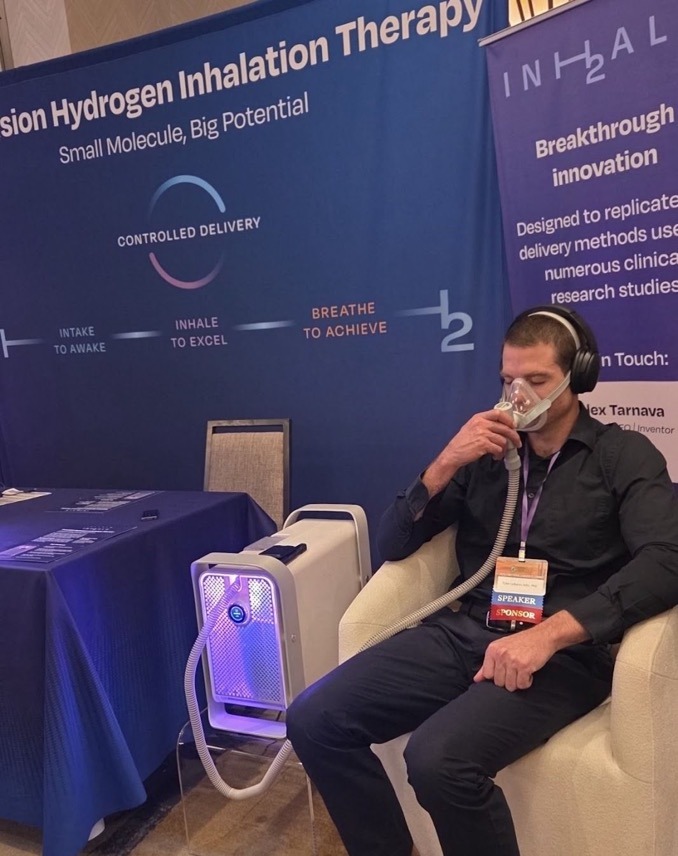
For me, these were meaningful, measurable design objectives rather than simply subjective product preferences. I believe that any intervention should ensure safety and consistency in dosing.
Of course, reliably delivering hydrogen at a particular concentration does not establish that hydrogen will produce a clinical benefit. Its effectiveness for specific medical applications still requires appropriate clinical investigation.
Nor am I suggesting that hydrogen cannot be administered through other devices or that other technologies could not achieve therapeutic effects.
However, the conventional inhalation systems on the market could not satisfactorily resolve the combination of variable inspired hydrogen concentrations and the potential flammability hazards associated with delivering highly concentrated hydrogen gas.
For the first time, I felt I had objective, scientifically defensible reasons to stand behind a particular hydrogen product, based on its engineering, dosing, and safety principles rather than simply its brand or my personal involvement.
I began asking myself a question. If someone close to me was already determined to pursue hydrogen inhalation, how could I feel comfortable watching them buy a conventional system with those unresolved dosing and safety concerns when we had developed an approach specifically intended to address them?
This was different from choosing between two comparable hydrogen water products.
I wasn’t simply endorsing a particular brand of an existing technology. I had helped develop a different approach to a problem that I believed needed to be solved.
I realized that I didn’t have to know whether hydrogen would ultimately prove effective for every proposed application to recognize the value of improving how it is delivered and studied.
That realization, combined with the years I had already invested in its development, ultimately led me to accept a more formal role in the company.
A New Chapter in My Scientific Career
My decision to join InhaleH₂ wasn’t simply because I had helped invent the technology or because there was an opportunity for financial gain.
Nevertheless, the potential success of the company could provide additional resources and opportunities to accelerate research, support clinical investigations, and pursue regulatory approvals.
What makes this particularly meaningful to me is the possibility of helping advance the very science I have dedicated much of my professional life to studying.
For more than 16 years, I have spent much of my time studying molecular hydrogen, publishing research, teaching, collaborating with scientists, and trying to help people better understand what the evidence does and does not show.
I am grateful for those opportunities, and I intend to continue that work.
My executive involvement with InhaleH₂ is not a transition away from academic research. It is another opportunity to participate in and help advance it.
I remain involved in academia through adjunct teaching, scientific publications, research collaborations, guest editors of journals, organizer of academic conferences, and graduate research and PhD supervision.
I am particularly excited about the additional opportunities to advance clinical research, improve dosing methodologies, investigate potential therapeutic applications, and pursue appropriate regulatory pathways.
The future of molecular hydrogen will ultimately depend on the quality of its scientific and clinical evidence, not the number of products being sold or the enthusiasm surrounding the molecule.
The goal should never be simply to convince more people that hydrogen works. It should be to determine when it works, why it works, for whom it works, and under what conditions it may not work.
Having a greater opportunity to help answer those questions is one of the things I find most rewarding about this new chapter.
Transparency, Conflicts of Interest, and MHI
I recognize that becoming a founder and executive of a commercial company may change how people perceive my scientific opinions.
That is a legitimate consideration, and one I take seriously.
I have had other professional consulting relationships and commercial interests within the hydrogen industry. Those relationships are separate from whether I have publicly endorsed a particular product.
My involvement with InhaleH₂ adds a more direct and substantial financial interest, which is why I believe it is important to disclose my role, equity ownership, and involvement in the related intellectual property.
Having a financial interest does not automatically make scientific conclusions incorrect, but neither does scientific expertise make someone immune to bias.
I believe the appropriate response is transparency, continued critical evaluation, and a willingness to acknowledge findings that may challenge our expectations.
I also want to emphasize that my role at InhaleH₂ is entirely separate from my responsibilities as Founder and Executive Director of the nonprofit Molecular Hydrogen Institute.
MHI remains a science-based nonprofit focused on research, education, and awareness. It does not promote, sell, or endorse specific hydrogen products or companies.
My personal involvement with InhaleH₂ should not be interpreted as an endorsement by MHI.
The same scientific standards I have tried to follow throughout my career will continue to guide my work. Research findings should be evaluated on their scientific merits, including their limitations, regardless of whether they support or challenge a technology in which I have an interest.
I remain committed to following the evidence wherever it leads.
Looking Forward
I am very grateful to Alex Tarnava and everyone who has contributed to the development of InhaleH₂ over the years.
Tyler W. LeBaron, MSc., PhD.
Tyler W. LeBaron, MSc, PhD is a is a researcher and educator who translates complex science into practical insight on health, performance, and human potential. He is the Founder and Executive Director of the Molecular Hydrogen Institute (a science-based 501(c)3 nonprofit) and an adjunct professor of exercise physiology and chemistry at Southern Utah University. Tyler is known for evidence-based, engaging presentations that challenge assumptions, clarify emerging science, and inspire high-performing individuals and organizations. He has 80+ peer-reviewed publications, 2,000+ citations, top 0.5% recognition in oxidative stress, and has delivered invited talks on six continents.
Disclaimer: This blog is for general informational purposes only and does not constitute the practice of medicine, nursing or other professional health care services, including the giving of medical advice, and no doctor/patient relationship is formed. The use of information on this blog or materials linked from this blog is at the user’s own risk. The content of this blog is not intended to be a substitute for professional medical advice, diagnosis, or treatment. Users should not disregard, or delay in obtaining, medical advice for any medical condition they may have, and should seek the assistance of their health care professionals for any such conditions.
You may also like these…