
Dr. Tyler LeBaron: Scientist

16+ Years Making Molecular Hydrogen Research Accessible

About Dr. LeBaron

Dr. Tyler W. LeBaron has authored numerous academic peer-reviewed publications, which have been cited over 2000 times.

He founded the Molecular Hydrogen Institute to support rigorous scientific investigation into the biological and medical effects of molecular hydrogen. He serves as an adjunct at Southern Utah University, where he teaches exercise physiology and previously taught chemistry. His work spans the lab, the classroom, and the public conversation about what the evidence actually shows.

80+

peer-reviewed publications

2,000+

citations

Top 0.5%

of scholars in oxidative stress research

“Tyler is one of those rare people who combines genuine intellectual curiosity with the discipline to follow through. He asks thoughtful questions, does the work, and raises the level of everyone around him.”

Ohno or Slezak

The Research Came Before the Credentials

Most people build their credentials first and find their purpose later. Tyler did it the other way around.

In 2009, while just starting as an undergraduate, he learned about molecular hydrogen’s possible benefits in exercise performance.  By 2010, he presented some preliminary pilot research on the possible exercise benefits of hydrogen-rich water at a research conference.  This wasn’t part of an assignment, it was simply his curiosity.

By 2013, he had done research on molecular hydrogen in Japan at Nagoya University for an internship to complete his biochemistry degree. While in Japan, he had seen enough misinformation spread through the hydrogen space that he decided someone needed to put accurate science on record for the English speaking population. So he built a website and called it the Molecular Hydrogen Institute. That website became a 501(c)(3) nonprofit in 2015.

For years after that, Tyler funded his own travel to scientific conferences in Japan, China, Korea, and Europe because the research mattered more than profits The graduate degrees, numerous peer-reviewed publications, and institutional affiliations followed.

Research Background

Dr. Tyler’s background spans biochemistry, physiology, and exercise science. He holds a PhD from Comenius University in Bratislava, Slovakia, and a Master’s in Exercise and Sports Conditioning from Southern Utah University. He also completed an internship at Nagoya University in Japan, studying the molecular mechanisms of hydrogen gas on cell-signaling pathways in the Department of Neurogenetics.

That combination of deep grounding in cellular biology alongside graduate training in human performance and nutrition is what allows him to move between the lab bench and real-world health applications.

His primary research focuses on the biological effects of molecular hydrogen. He has authored or co-authored numerous peer-reviewed publications in this field, including articles published in leading journals such as Redox Biology (Impact Factor ~12; Q1), Scientific Reports (Nature Portfolio), Toxicology and Applied Pharmacology, Current Developments in Nutrition, and Nutrients.

While he is widely recognized for his contributions to molecular hydrogen as a potential medical gas, his work spans multiple interconnected areas of biomedical science, including free  radical biology, oxidative stress, exercise physiology, nutritional biochemistry, and signal transduction pathways.

Affiliations & Appointments

  • Founder & Executive Director, Molecular Hydrogen Institute (MHI)
  • Adjunct professor of exercise physiology, Southern Utah University
  • Director, International Hydrogen Standards Association (IHSA)
  • Director, International Molecular Hydrogen Association (IMHA)
  • Member, Academic Committee, Taishan Institute for Hydrogen Biomedical Research
  • One of the Vice Presidents, International Hydrogen Society of Medicine and Biology (ISHMB)

In the News

Tyler and his work on molecular hydrogen have been featured in major publications worldwide.

Dr. Tyler’s Published Work

Dr. Tyler’s full peer-reviewed publication record is available below, organized by year. His work spans molecular hydrogen, oxidative stress, exercise physiology, and related fields, with entries going back to 2010.

  • 2025. Negishi, Shuto, Mikako Ito, Tomoya Hasegawa, Hikaru Otake, Bisei Ohkawara, Akio Masuda, Hiroyuki Mino, Tyler W. LeBaron, and Kinji Ohno. “The Rieske iron-sulfur protein is a primary target of molecular hydrogen.” Redox Biology (2025): 103952.
  • 2025, Zaheer, M., Tarnava, A., LeBaron, T. W., Asgharzadeh, F., Yaghoubi, A., & Khazaei, M. (2025). The effects of hydrogen-rich water on gut microbiota and related health outcomes: A systematic review. Letters in Drug Design & Discovery, 100150.
  • 2025 Rigi MH, Asghari SZ, Eshtad E, Nazari SE, Aminian A, Kharazmi K, Asgharzadeh F, Avan A, Hassanian SM, LeBaron TW, Khazaei M. Corrigendum to “Protective effect of hydrogen-rich water on spermatogenesis in high-fat diet obese rats” [Toxicology and Applied Pharmacology Volume 499, June 2025, 117334]. Toxicol Appl Pharmacol. 2025 Aug;501:117356. doi: 10.1016/j.taap.2025.117356. Epub 2025 Apr 29. Erratum for: Toxicol Appl Pharmacol. 2025 Jun;499:117334. doi: 10.1016/j.taap.2025.117334. PMID: 40311701.
  • 2025 Rigi, M. H., Asghari, S. Z., Eshtad, E., Nazari, S. E., Aminian, A., Kharazmi, K., LeBaron T.W … & Khazaei, M. (2025). Protective effect of hydrogen-rich water on spermatogenesis in high-fat diet obese rats. Toxicology and Applied Pharmacology499, 117334.
  • 2025 Misnikova, I., Kovaleva, Y., Shokur, S., LeBaron, T. W., Povarova, O., & Medvedev, O. (2025). Hydrogen and methane detection in breath in response to two different types of dietary fiber and its relationship to postprandial glucose concentration in obese patients with type 2 diabetes and normoglycemic subjects. Nutrients17(5), 917.
  • 2025 Boğa Kuru, B., Makav, M., Kuru, M., Aras, Ş. Y., Karadağ Sarı, E., Bulut, M., … & LeBaron, T. W. (2025). Effects of Hydrogen‐Rich Water on Growth, Redox Homeostasis and Hormonal, Histological and Immune Systems in Rats Exposed to High Cage Density Stress. Veterinary Medicine and Science11(2), e70305.
  • 2025 Ogannisyan M, Slivin A, LeBaron TW, Tarnava A, Karmazin V, Bazanovich S, Dolgachev V, Vychik A, Strizhkov A, Parastaev S. Hydrogen-Rich Water Decreases Muscle Damage and Improves Power Endurance in Elite Athletes: A Randomized, Double-Blinded, Placebo-Controlled Trial. J Lifestyle Med. 2025 Feb 28;15(1):8-17. doi: 10.15280/jlm.2025.15.1.8. PMID: 40376695; PMCID: PMC12076047.
  • 2025 Yıldız, Fatmanur, Tyler W. LeBaron, and Duried Alwazeer. “A comprehensive review of molecular hydrogen as a novel nutrition therapy in relieving oxidative stress and diseases: Mechanisms and perspectives.” Biochemistry and Biophysics Reports 41 (2025): 101933.

  • 2024 Gvozdjáková, Anna, Jarmila Kucharská, Zuzana Rausová, Zuzana Sumbalová, Ján Slezák, Branislav Kura, Tyler W. LeBaron, and Shigeo Ohta. “Perspective Therapy of Mitochondrial Disorders with Molecular Hydrogen.” In Translational Mitochondrial Medicine, pp. 393-408. Cham: Springer Nature Switzerland, 2024.
  • 2024 Cumaoglu, Mustafa Oguz, Mustafa Makav, Serpil Dag, Ayfer Yildiz Uysal, Lale Baser, Tyler W. LeBaron, and Duried Alwazeer. “Combating oxidative stress and inflammation in gentamicin-induced nephrotoxicity using hydrogen-rich water.” Tissue and Cell 91 (2024): 102604.
  • 2024 Atiakshin, Dmitrii, Andrey Kostin, Alexander Alekhnovich, Artem Volodkin, Michael Ignatyuk, Ilya Klabukov, Denis Baranovskii, Tyler W. LeBaron, et al. “The Role of Mast Cells in the Remodeling Effects of Molecular Hydrogen on the Lung Local Tissue Microenvironment under Simulated Pulmonary Hypertension.” International Journal of Molecular Sciences 25, no. 20 (2024): 11010.
  • 2024 Alwazeer, Duried, Longna Li, Alexandros Ch Stratakos, Tyler W. LeBaron, John T. Hancock, and Yves Waché. “Recent knowledge on the applications of molecular hydrogen in plant physiology, crop production, and food processing.” Frontiers in Food Science and Technology 4 (2024): 1501046.
  • 2024 Alwazeer, Duried, John T. Hancock, Grace Russell, Alexandros Ch Stratakos, Longna Li, Ayhan Çiğdem, Tunahan Engin, and Tyler W. LeBaron. “Molecular hydrogen: a sustainable strategy for agricultural and food production challenges.” Frontiers in Food Science and Technology 4 (2024): 1448148.
  • 2024 Baltic, S., Nedeljkovic, D., Todorovic, N., Ranisavljev, M., Korovljev, D., Cvejic, J., Ostojic, J., LeBaron, T.W., Timmcke, J., Stajer, V. and Ostojic, S.M., 2024. The impact of six-week dihydrogen-pyrroloquinoline quinone supplementation on mitochondrial biomarkers, brain metabolism, and cognition in elderly individuals with mild cognitive impairment: a randomized controlled trial. The Journal of nutrition, health and aging28(8), p.100287.
  • 2024 Kolesnikov, Daniil, Alexandra Kozlova, Andrey Aleхandrov, Nikolai Kalmykov, Pavel Treshkov, Tyler W. LeBaron, and Oleg Medvedev. “Applying ChatGPT to writing scientific articles on the use of telemedicine: Opportunities and limitations.” Artificial Intelligence in Health 1, no. 3 (2024): 53-63.
  • 2024 Baltic, S., Todorovic, N., Ranisavljev, M., Zanini, D., Nedeljkovic, D., Korovljev, D., Cvejic, J., Ostojic, J., LeBaron, T., Timmcke, J. and Stajer, V., 2024. Medium-Term Intake of Dihydrogen and Pyrroloquinoline Quinone Affects Brain Metabolism and Cognition in Elderly With Mild Cognitive Impairment. Current Developments in Nutrition8.
  • 2024 Misnikova, Inna, Yulia Kovaleva, Svetlana Shokur, Tyler W. LeBaron, Oxana Povarova, and Oleg Medvedev. “Hydrogen and methane detection in breath in response to two different types of dietary fiber and its relationship to postprandial glucose concentration in obese patients with type 2 diabetes and normoglycemic subjects.” Nutrients 17, no. 5 (2025): 917.
  • 2024 Artamonov, M. Y., LeBaron, T. W., Pyatakovich, F. A., & Minenko, I. A. (2024). Mesenchymal Stem Cell Priming: Potential Benefits of Administration of Molecular Hydrogen. Pharmaceuticals17(4), 469.
  • 2024 Artamonov, M. Y., LeBaron, T. W., Pyatakovich, F. A., & Minenko, I. A. (2024). Molecular hydrogen and its effect on wound healing and tissue regeneration. IntechOpen. https://doi.org/10.5772/intechopen.1004921
  • 2024 Aker, M. N., Gönenç, İ. M., Çalışıcı, D., Bulut, M., Alwazeer, D., & LeBaron, T. W. (2024). The effect of hydrogen-rich water consumption on premenstrual symptoms and quality of life: a randomized controlled trial. BMC Women’s Health (Online)24(1). https://doi.org/10.1186/s12905-024-03029-8
  • 2024 LeBaron, T. W., Sharpe, R., Pyatakovich, F. A., & Artamonov, M. Y. (2024). Hydrogen: From stars to fuel to medicine. In Advances in biochemistry in health and disease (Online) (pp. 1–20). https://doi.org/10.1007/978-3-031-47375-3_1
  • 2024 Artamonov, M. Y., LeBaron, T. W., Соков, Е. Л., Корнилова, Л. Е., Pyatakovich, F. A., & Minenko, I. А. (2024). Intraosseous Administration of Molecular Hydrogen: A Novel Technique—From Molecular Effects to Tissue Regeneration. In Advances in biochemistry in health and disease (pp. 417–433). https://doi.org/10.1007/978-3-031-47375-3_24
  • 2024 Hancock, J. T., May, J., LeBaron, T. W., Punampalam, R., & Russell, G. (2024). An exploration of the direct biological targets of molecular hydrogen. In Advances in biochemistry in health and disease (Online) (pp. 21–38). https://doi.org/10.1007/978-3-031-47375-3_2
  • 2024 Kura, B., Bacova, B. S., Barančı́K, M., Sýkora, M., Okruhlicová, Ľ., Tribulová, N., Bolli, R., Kaločayová, B., LeBaron, T. W., Andelová, K., & Slezák, J. (2024). Perioperative Mitigation of Oxidative Stress with Molecular Hydrogen During Simulated Heart Transplantation in Pigs. In Advances in biochemistry in health and disease (Online) (pp. 179–193). https://doi.org/10.1007/978-3-031-47375-3_12
  • 2024 Vincent, S. R., Madani, M. M., Dikeman, D., Golden, K., Crocker, N. A., Jackson, C. V., Wimmer, S., Dover, Tucker, A. M., Ghiani, C. A., Colwell, C. S., LeBaron, T. W., Tarnava, A., & Paul, K. N. (2023). Hydrogen-rich water improves sleep consolidation and enhances forebrain neuronal activation in mice. Sleep Advances. https://doi.org/10.1093/sleepadvances/zpad057
  • 2024 Hancock JT, LeBaron TW, May J, Thomas A, Zulfiqar F, Russell G. Molecular hydrogen as a beneficial postharvest treatment. InOxygen, Nitrogen and Sulfur Species in Post-Harvest Physiology of Horticultural Crops 2024 Jan 1 (pp. 303-318). Academic Press.

  • 2018 Kura B, Bagchi AK, Singal PK, Barancik M, LeBaron TW, Valachova K, Soltes L, Slezak J. Molecular hydrogen (H2): Potential in mitigating oxidative stress-induced cardiotoxicity. Canadian journal of physiology and pharmacology. 2018 Dec 13(ja).
  • 2018 Jackson K, Dressler N, Ben-Shushan RS, Meerson A, LeBaron TW, Tamir S. Effects of alkaline-electrolyzed and hydrogen-rich water, in a high-fat-diet nonalcoholic fatty liver disease mouse model. World Journal of Gastroenterology. 2018 Dec 7;24(45):5095.
  • 2018 Tyler W. LeBaron; Special Lecture: “Therapeutic and clinical effects of hydrogen gas” * Japanese-English translation,  presented at medical-dental conference in Tokyo Japan (Dec. 15, 2018).
  • 2018 Guo Q, Yin X, Qiao M, Jia Y, Chen D, Shao J, LeBaron TW, Gao Y, Jia B, Shi H. Hydrogen-rich water ameliorates autistic-like behavioral abnormalities in valproic acid-treated adolescent mice offspring. Frontiers in behavioral neuroscience. 2018;12:170.
  • 2018 Tyler W. LeBaron; “Clinical effects of molecular hydrogen on neurodegenerative diseases” presented at Academy of Comprehensive Integrative Medicine. Orlando, Florida (Nov. 10th, 2015)
  • 2018 Hirayama M, Ito M, Minato T, Yoritaka A, LeBaron TW, Ohno K. Inhalation of hydrogen gas elevates urinary 8-hydroxy-2′-deoxyguanine in Parkinson’s disease. Medical gas research. 2018 Oct;8(4):144.
  • 2018 Tyler W. LeBaron; “Inhalation of hydrogen gas mildly elevates oxidative stress in Parkinson’s disease. Hormetic or toxic?” presented at first International conference on Hydrogen Medicine and Biology Beijing China Oct. 13, 2018.
  • 2018 Tyler W. LeBaron; “Beneficial effects of hydrogen gas- involvement of miRNAs, Co-Q10 and ATP production presented at the International Hydrogen Industry Development Forum, organized by International Molecular Hydrogen Association (IMHA) in Guangzhou, China (Sept. 15, 2018)
  • 2018 Shang L, Xie F, Li J, Zhang Y, Liu M, Zhao P, Ma X, LeBaron TW. Therapeutic potential of molecular hydrogen in ovarian cancer. Translational Cancer Research. 2018 Aug 14;7(4):988-95.
  • 2018 Tyler W. LeBaron; “Practical Applications and Clinical Uses for Molecular Hydrogen” presented at SOPMED Medical Conference in Colorado Springs, Colorado (June 22nd, 2018)
  • 2018 Tyler W. LeBaron “Hydrogen: a therapeutic molecule for cardio and cerebrovascular diseases” presented at the 5th European Section meeting of the International Academy of Cardiovascular Sciences (IACS-ES) in Bratislava, Slovakia (May 24, 2018).
  • 2018 M. Liang; Y. Du; W. Li; X. Yin; N. Yang; A. Qie; T. W. LeBaron; J. Zhang; H. Chen; H. Shi. “SuHeXiang essential oil inhalation produces antidepressant- and anxiolytic-like effects in adult mice” Biological and Pharmaceutical Bulletin. 2018 May 9:b18-00082
  • 2018 Tyler W. LeBaron & Mark Rosenberg “Clinical Applications for Molecular Hydrogen” presented at the Academy of Anti-Aging Medicine (A4M) in Hollywood, Florida (April13, 2018).
  • 2018 Tyler W. LeBaron; “Hydrogen: a biologically-regenerative molecule with clinical applications” presented at the Academy of Regenerative Practices in Boca Raton, Florida (March 3, 2018).

  • 2017 Tyler W. LeBaron; “Is Hydrogen an Antioxidant? Definitions and Explanations” presented at the 4th Symposium of CPAM Chinese Hydrogen Biomedical Association (SCHBA) in Foshan, China (Dec. 6, 2017).
  • 2017 Tyler W. LeBaron; Hydrogen: an emerging medical gas with clinical significance” presented at 22nd International Conference of FFC-10th International Symposium of ASFFBC at Harvard Medical School, Boston MA, USA. (Sept. 23, 2017).
  • 2017 Tyler W. LeBaron; “Molecular Hydrogen: from basic and clinical research to sports performance; an overview of the data from recent human studies” presented at the International Hydrogen Industry Development Forum, organized by International Molecular Hydrogen Association (IMHA) in Guangzhou, China (Sept. 14, 2017)
  • 2017 Gao, Q., Song, H., Wang, X.T., Liang, Y., Xi, Y.J., Gao, Y., Guo, Q.J., LeBaron, T., Luo, Y.X., Li, S.C. and Yin, X. Molecular hydrogen increases resilience to stress in miceNature publication: Scientific Reports, 7 (2017)
  • 2017 Tyler W. LeBaron; “Hydrogen: signal modulator for disease and inflammation” presented at SOPMED Medical Conference in Colorado Springs, Colorado (June 16th, 2017)
  • 2017 Tyler W. LeBaron; “Hydrogen: A Therapeutic Medical Gas” presented at conference and medical group in Jakarta Indonesia (March 8, 2017)

  • 2016 Tyler W. LeBaron; “Hydrogen Revolution in Industry and Medical Biology” presented at the Korea International Symposium on Hydrogen in Seoul Korea (November 25, 2016)
  • 2016 Tyler W. LeBaron; “Hydrogen: A Small Molecule with Great Clinical Significance” presented at ILADS Annual Scientific Medical Conference on Lyme Disease in Philadelphia, PA (November 5, 2016)
  • 2016 Tyler W. LeBaron; “Hydrogen: an Ageless Molecule of an Aging Society; a Scientific Basis for the Amelioration of Inflammation, Oxidation, and Cellular Degeneration” presented at the 3rd Symposium of Chinese Hydrogen Biomedical Association (SCHBA) in Taian city (September 25, 2016)
  • 2016 Tyler W. LeBaron; “Hydrogen: an explosive molecule with explosive therapeutic effects” presented at the International Hydrogen Industry Development Forum, organized by International Molecular Hydrogen Association (IMHA) in Guangzhou, China (Sept. 9, 2016)
  • 2016 Tyler W. LeBaron; “Hydrogen: A Therapeutic Molecule with Ergogenic Potential” presented at the 6th Hydrogen Medicine Conference in Shenyang, China (July 24, 2016)
  • 2016 Tyler W. LeBaron; “Hidrógeno molecular: La revolución de Salud y el Bienestar, presented at Global Conference in Querétaro Mexico (July 12th, 2016)
  • 2016 Tyler W. LeBaron; “Hydrogen Therapy: ‘Primum non nocere’ a revolution in health and wellness” presented at SOPMED Medical Conference in Salt Lake City, Utah (June 17th, 2016)
  • 2016 Tyler W. LeBaron; “Hydrogen: A Unique and Superior Antioxidant Molecule for Athletes” presented at the International Molecular Hydrogen Symposium in Shanghai (March 20, 2016)

  • 2015 Tyler LeBaron; “Molecular Hydrogen: therapeutic and medical applications” presented at Age Management Medical Group. Las Vegas, Nevada (Dec. 8th, 2015).
  • 2015 Tyler LeBaron; “Molecular Hydrogen: therapeutic potential for neurodegenerative diseases” presented at Academy of Comprehensive Integrative Medicine. Orlando, Florida (Oct. 24th, 2015)
  • 2015 Tyler LeBaron; “Molecular Hydrogen: therapeutic and medical applications” presented at FIME Medical Expo. Miami, Florida. (Aug. 7th, 2015).
  • 2015 Tyler W. LeBaron; “Molecular Hydrogen: an evolutionary and molecular explanation for its ubiquitous biological effects on eukaryotes” presented at the 2nd Molecular Hydrogen Biomedical Symposium. CPMA Chinese Hydrogen Biomedical Association(June 28, 2015)
  • 2015 Tyler W. LeBaron; “Molecular Hydrogen in America: research, products, media, and awareness” presented at 5thSymposium of Medical Molecular Hydrogen at Nagoya University (March 22, 2015) http://www.med.nagoya-u.ac.jp/neurogenetics/mmh2015/sub_program.html

  • 2014 Meyers, Jonathan K., Tyler W. LeBaron, and David C. Collins. “The Journal of Kitchen Chemistry: A Tool for Instructing the Preparation of a Chemistry Journal Article.” Journal of Chemical Educationhttp://pubs.acs.org/doi/abs/10.1021/ed400671y

  • 2010 Tyler W. LeBaron; “Functional Water for the Prevention and Treatment of Disease (A comprehensive literature review)”, presented at BYU-I Research and Creative Works Conference, December 9, 2010. http://emp.byui.edu/PyperB/2010FallUGRC.htm
  • 2010 Tyler W. LeBaron “Alkaline Reduced (electrolyzed) Water enhances time to exhaustion during lactate threshold running”, presented at BYU-I Research and Creative Works Conference, Mar 25, 2010 http://emp.byui.edu/PyperB/2010byuiugrc.htm

Frequently Asked Questions

How does Dr. Tyler maintain independence in his research?

Dr. Tyler’s consulting and advisory work is independent from the Molecular Hydrogen Institute (MHI). All professional relationships, advisory roles, and potential conflicts of interest are publicly disclosed on his Disclosures page. This transparency is intentional. In a field where credibility is frequently questioned, Dr. Tyler believes full disclosure is the baseline, not the exception.

What is the Molecular Hydrogen Institute, and what is its relationship to Dr. Tyler’s research?

MHI is a science-based 501c3 nonprofit Tyler founded in 2013 to advance the research, education, and awareness of hydrogen as a therapeutic medical gas. It operates independently from his university teaching and peer-reviewed research, though all three reinforce the same goal: getting the science right and making it accessible.

Does Dr. Tyler accept research collaboration requests?

Dr. Tyler maintains active research collaborations with scientists around the world. Collaboration requests are reviewed by his team on a case-by-case basis. If you’re a researcher interested in working with Dr. Tyler, you can submit an inquiry through the Contact page.

Does Dr. Tyler do scientific consulting?

On a limited basis. Dr. Tyler selectively advises organizations on research design, product evaluation, and scientific claims, particularly where molecular hydrogen, exercise science, or nutrition intersect with consumer products or public health messaging. He is not currently seeking new consulting engagements. Inquiries can be submitted through the Contact page.

Explore More
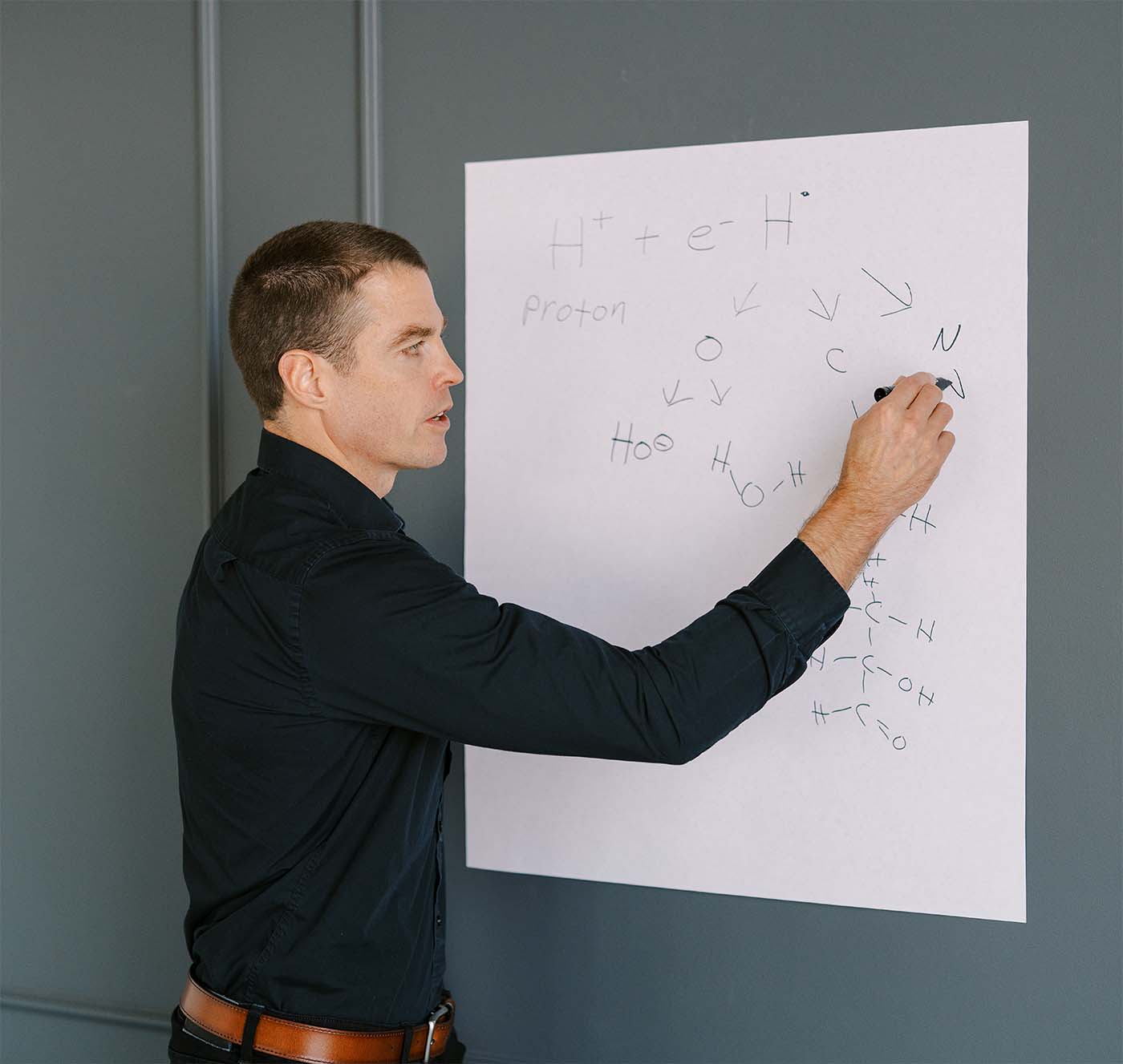
The Educator

See how Dr. Tyler translates complex research into accessible teaching, from university classrooms to podcasts and medical conferences worldwide.
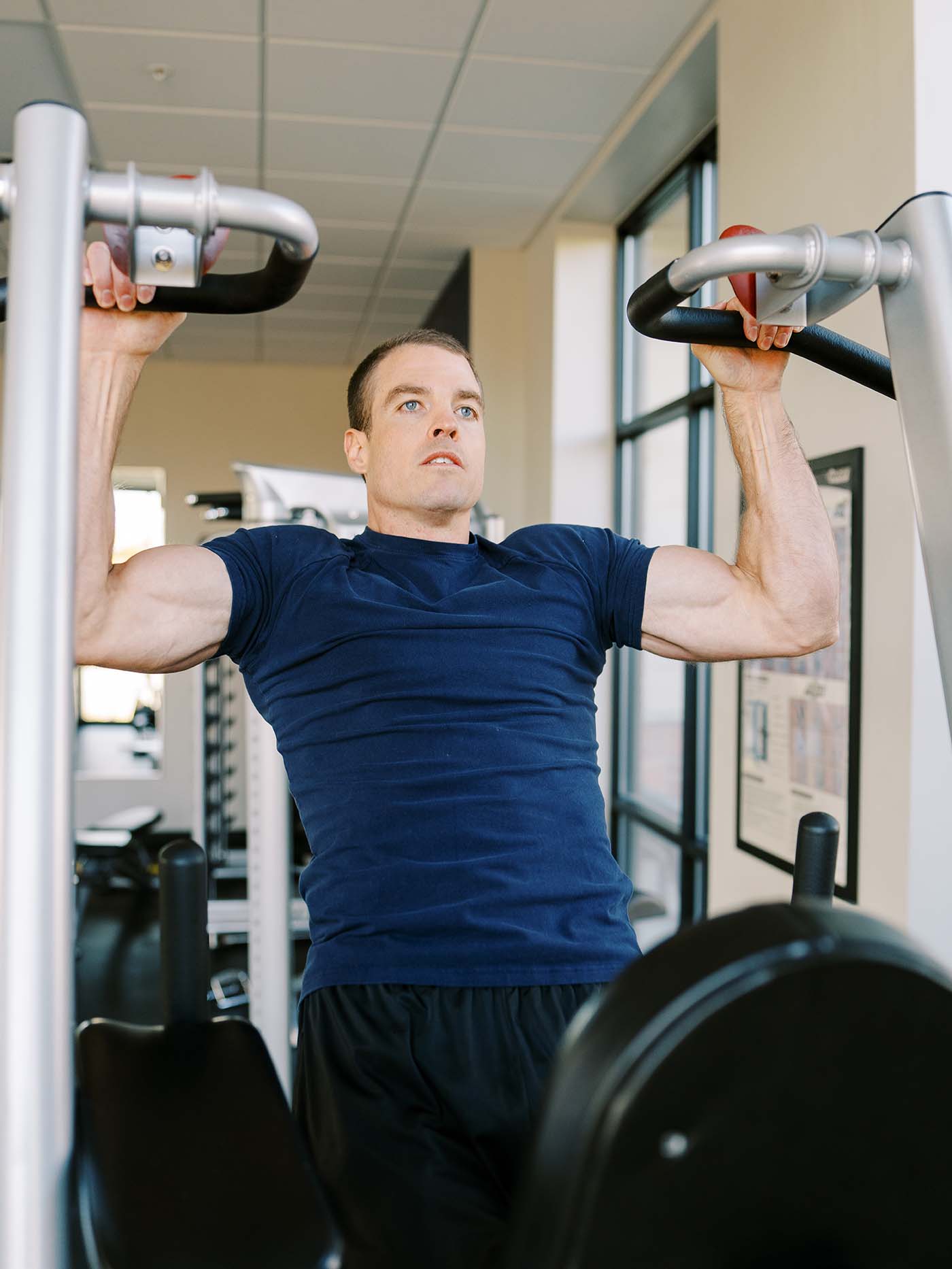
The Athlete

Dr. Tyler doesn’t just study exercise physiology. He tests it as a competitive arm wrestler and endurance athlete, bringing the same discipline to his research.