
“Tyler is one of the most disciplined and brilliant minds I’ve worked with. He makes complex science not just understandable, but actionable.”
Nikki, Podcast host
Tyler’s Story

It Started Early
Second grade: microscopes. Third grade: electricity and light bulbs. Fifth grade: magnets and motors. Sixth and seventh grade: encyclopedias, then quantum physics, black holes, and space.
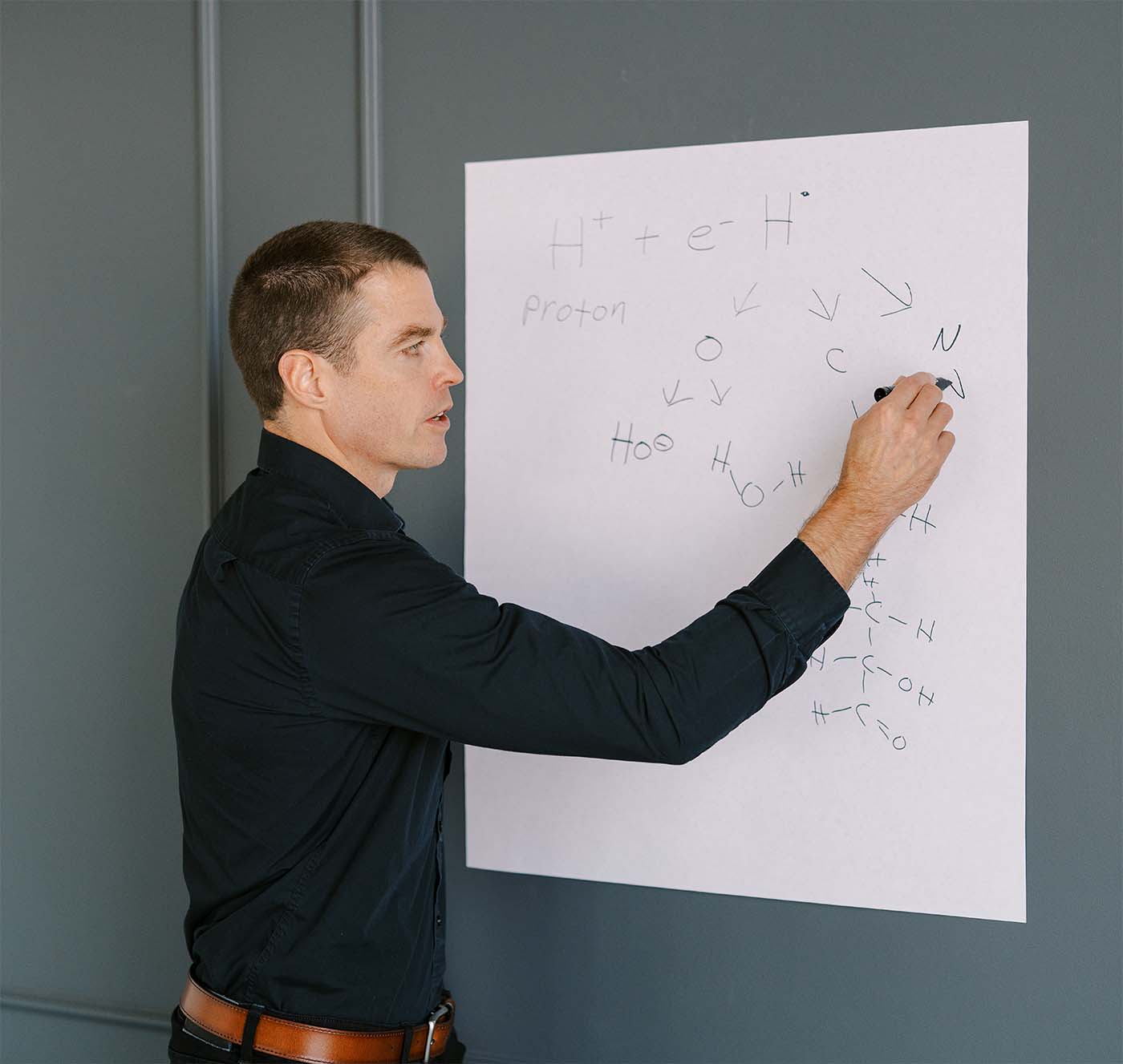
Tyler was always the kid who built something, read something, or figured something out — and then immediately wanted to explain it to whoever would listen. A parent. A classmate. Sometimes a teacher. The learning and the teaching were never separate things.
A Pivot Toward People
Through high school, the interest shifted. A close friend’s father became seriously ill. Doctors couldn’t find answers. Then one physician tried something different — changes in diet, a new approach — and the improvement was real and dramatic. That moment pulled Tyler’s curiosity away from electronics and physics and toward health and wellness.
He also began to notice something else: that the same scientific knowledge he was studying could be tested on himself, applied to his own training and athletic performance. Science wasn’t just something to know. It was something to use.
From Classroom to Lab to Competition
Tyler carried those two threads — the scientist and the athlete — through university, where he tutored peers in physiology and biochemistry, spent hours in professors’ offices debating the latest findings, and was always more interested in what contradicted the textbooks than what confirmed them. He wanted the cutting edge.
That instinct led him to molecular hydrogen in 2009. The first thing he wanted to know: could it improve athletic performance? That question became his first study. It also became a pattern — something new to investigate, to understand deeply, and then to communicate clearly to anyone willing to engage.
From marathon races to arm wrestling and weightlifting, Tyler has always found that competitions bring curious people. People who want to understand training, health, their own bodies. He meets them where they are. Not with a lecture — but with an explanation shaped to make the information click, to create that moment where someone genuinely understands something for the first time.
That’s what ties it together: the scientist who wants to know, the athlete who wants to apply, and the educator who can’t help but share what he finds.
Privately, he lives in Utah and enjoys being with nature in the mountains and spending time with his kids.
“He’s the reason our team understands hydrogen at a molecular level. His clarity is unmatched.“
Will, H2 product distributor
What Tyler believes
Science should be honest, not persuasive.
If the evidence doesn’t support a claim, Tyler won’t make it. If we don’t know something yet, he’ll say so. The goal is understanding, not convincing.
Biology has its own intelligence.
Good science doesn’t try to override biology unnecessarily. It supports the body’s own regulatory systems, helping support balance rather than forcing outcomes.
Critical thinking is the real gift.
Tyler isn’t interested in building a following of people who simply take his word for it. He’d rather help someone learn to evaluate evidence themselves, even if they end up disagreeing with him.
Nuance matters.
Biology is complex, even when the right actions are often simple. Tyler would rather offer a complicated truth than a comfortable oversimplification.
The Scientist
Tyler began his research career with molecular hydrogen in 2009, when fewer than 50 published studies existed on the topic. He founded the Molecular Hydrogen Institute in 2013 specifically to get accurate science on record before the misinformation did. Sixteen years later, he has 80+ peer-reviewed publications and has spent his career working at the edge of what the evidence actually shows, not what the industry wants it to say.
Tyler identifies as a scientist not because of his accomplishments or what he has done in the past decade or so, but rather because he finds that is what he identifies with the most. Even as a child, he had a deep curiosity about life and the things he learned about, and a desire to learn and understand and the methods to determine what is true, what is not true, and how we know that. That’s the scientific method.
While Tyler is passionate about H2, and many refer to his research, he works to highlight the work of many other more advanced researchers in the space.
“I am sometimes introduced as the world’s leading molecular hydrogen expert, but I always feel compelled to qualify that description. The reality is that I stand on the shoulders of many exceptional researchers. Rather than viewing myself as the definitive authority, I see myself more as a passionate scientific generalist who studies across disciplines, contributes to research, and helps make complex science more accessible.
Although I have published numerous peer-reviewed articles, taught undergraduate- and graduate-level courses in subjects ranging from chemistry and nutrition to exercise physiology and bioenergetics, and served on PhD committees internationally, I do not direct a large research laboratory, supervise a team of doctoral students, or hold a tenured professorship. My professional focus has never been limited exclusively to the traditional academic path. I am therefore especially grateful for the researchers I regard not only as colleagues and collaborators, but also as advisers and mentors. It is a privilege to learn from them and to contribute to this scientific community.“
His formal training and education, of course, was based in biochemistry and physiology in these areas, and doing actual investigative research and publishing articles has primarily been on molecular hydrogen. It is the scientific knowledge that he has learned and the principles of the scientific method and thinking like a scientist that is what makes him identify himself as a scientist.
His background is in biochemistry, physiology, and exercise science, where he has applied hydrogen into these different fields.
The Educator
Tyler’s approach to teaching starts with a premise most educators skip: the goal is not agreement, it is understanding. Whether in a university classroom or on a podcast, he teaches people how to evaluate evidence for themselves, including evidence about his own work. He has written extensively on hydrogen science, developed certification courses through MHI, and built a body of public-facing content specifically designed to separate what research actually shows from what marketing often claims.
As an educator, Tyler’s goal is to help people not only learn more, but to think differently — about the material they encounter, about their lives, about the choices they make, and about why they do or don’t do things.
Effective education brings action; it’s a prerequisite for change. Being able to expand someone’s knowledge and shift how they think about things is powerful — but only when it’s grounded in truth.
He considers himself an educator at heart, because he knows what it’s like to want to understand something difficult. Having someone patient enough to explain things repeatedly, or in different ways, can make all the difference.
It’s only through education that we make better decisions. If knowledge is power, then learning is our superpower — and educating is empowering others. Tyler sees himself as a facilitator of people’s own power, giving them the tools to make the best choices for themselves, independent of any authority or system.
The Athlete
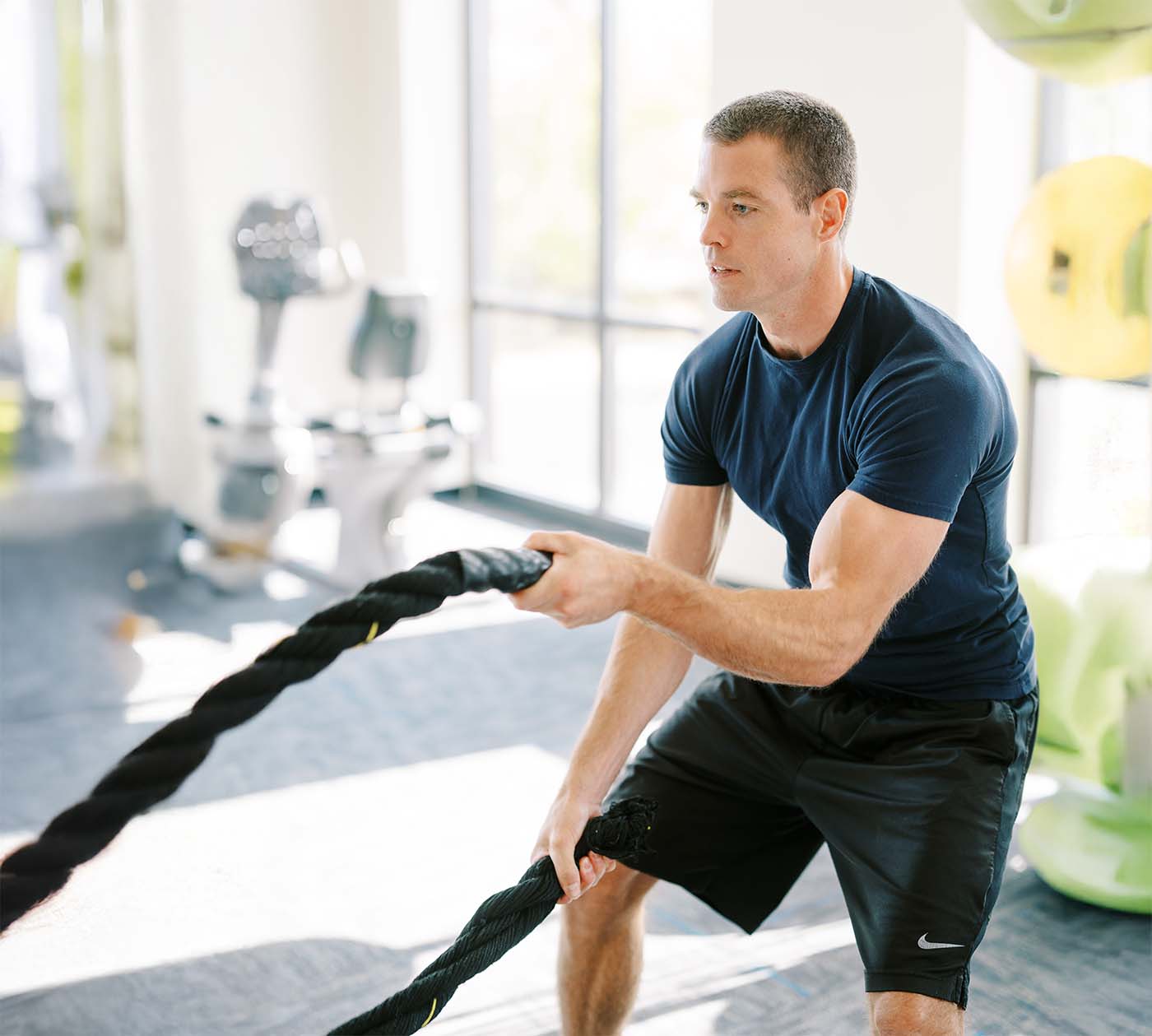
Tyler is a competitive hybrid athlete who qualified for the Boston Marathon at 18 years old, placed at national towerathon championships, and wins at sanctioned arm wrestling competitions. He trains for strength and endurance simultaneously, which most serious athletes avoid because excelling at both is extraordinarily difficult.
As an athlete, he never really considered himself one because he’s so far away from real world-class level athletes. But when he looks at his consistency of training over the years and the hybrid approach he has taken, it’s been quite effective — and it’s something that he enjoys and identifies with.
That athlete mentality of grit and discipline — what it takes to train hard, to push yourself to the uttermost point of exhaustion and failure, where you’d rather fall unconscious than not meet the mark — is an experience that not everybody gets to have. The level of pain, discipline, and persistence is something he compares to going through a really difficult trauma together, like people who fought in the war together, or competitors who trained side by side through football, wrestling, or combat sports. There’s a shared connection there that goes deep.
He finds himself as part of that crowd, even though he’s not world class in anything. He continually pushes himself to those limits — that imaginative zone where nothing else exists except his breath or what he is doing. That’s what makes him want to identify himself as an athlete.
Credentials & Affiliations
Academic Affiliations


Official Bios & Photos
Short Bio
Tyler W. LeBaron, MSc, PhD is a is a researcher and educator who translates complex science into practical insight on health, performance, and human potential. He is the Founder and Executive Director of the Molecular Hydrogen Institute (a science-based 501(c)3 nonprofit) and an adjunct professor of exercise physiology and chemistry at Southern Utah University.
Tyler is known for evidence-based, engaging presentations that challenge assumptions, clarify emerging science, and inspire high-performing individuals and organizations.
He has 80+ peer-reviewed publications, 2,000+ citations, top 0.5% recognition in oxidative stress, and has delivered invited talks on six continents.
Long Bio
Tyler W. LeBaron, MSc, PhD is a researcher, educator, and internationally sought-after speaker known for bridging rigorous science with real-world application in health, performance, and resilience. His work spans biochemistry, physiology, and exercise science, with a focus on helping individuals and organizations think more clearly about emerging science and evidence-based decision-making.
Tyler is the Founder and Executive Director of the Molecular Hydrogen Institute, a science-based nonprofit dedicated to advancing research, education, and public understanding of hydrogen as a therapeutic medical gas. He completed research training at Nagoya University in Japan in the Department of Neurogenetics, where he investigated the molecular mechanisms of hydrogen gas on cellular signaling pathways under leading researchers in the field.
He has authored or co-authored more than 80 peer-reviewed scientific publications and regularly delivers invited talks at medical, academic, and professional conferences worldwide, including CME- and CEU-accredited education for physicians and healthcare professionals. Tyler also serves as a director of the International Hydrogen Standards Association (IHSA) and the International Molecular Hydrogen Association (IMHA), contributing to global conversations on safety, standards, and responsible innovation.
In addition to his research and speaking work, Tyler teaches exercise physiology and chemistry laboratory courses as an adjunct instructor at Southern Utah University. Outside of academia, he is an elite hybrid athlete, competing in endurance events and strength sports, including professional arm wrestling. He applies the same discipline, skepticism, and experimental rigor to performance that he brings to scientific research.
Tyler is known for clear, evidence-driven communication that challenges hype, strengthens critical thinking, and empowers audiences—from clinicians and researchers to executives and high-performing individuals—to make better decisions grounded in science.
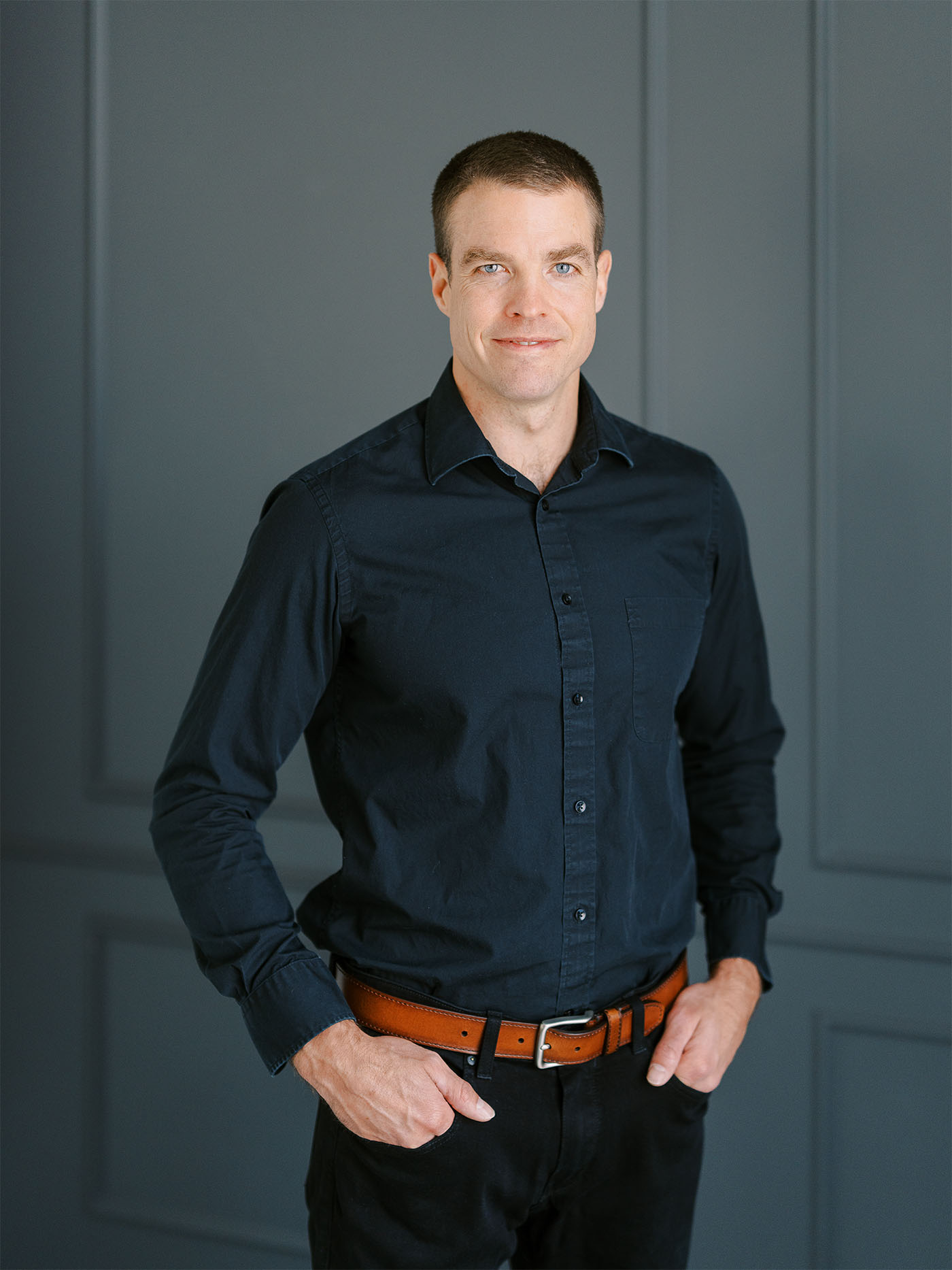
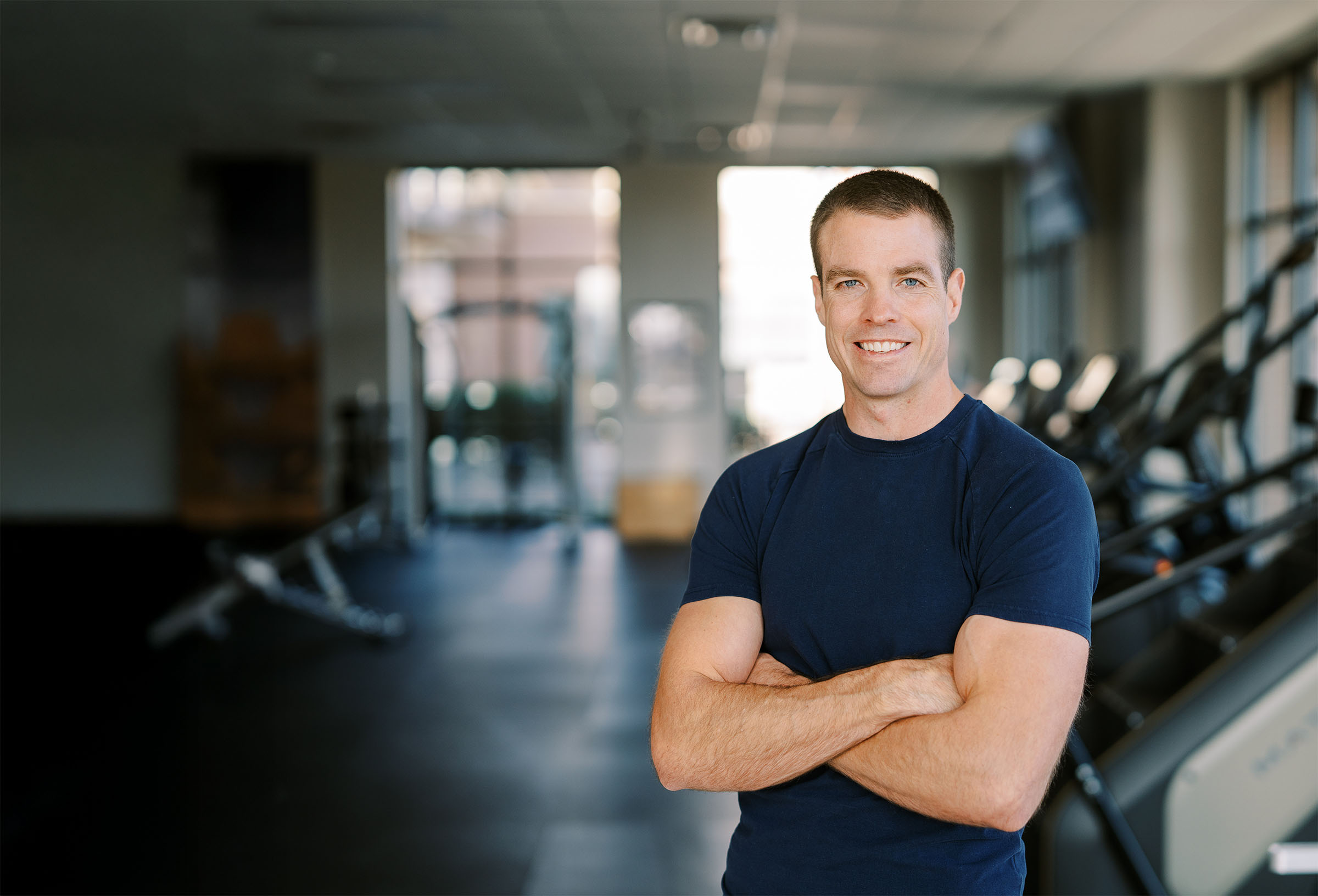
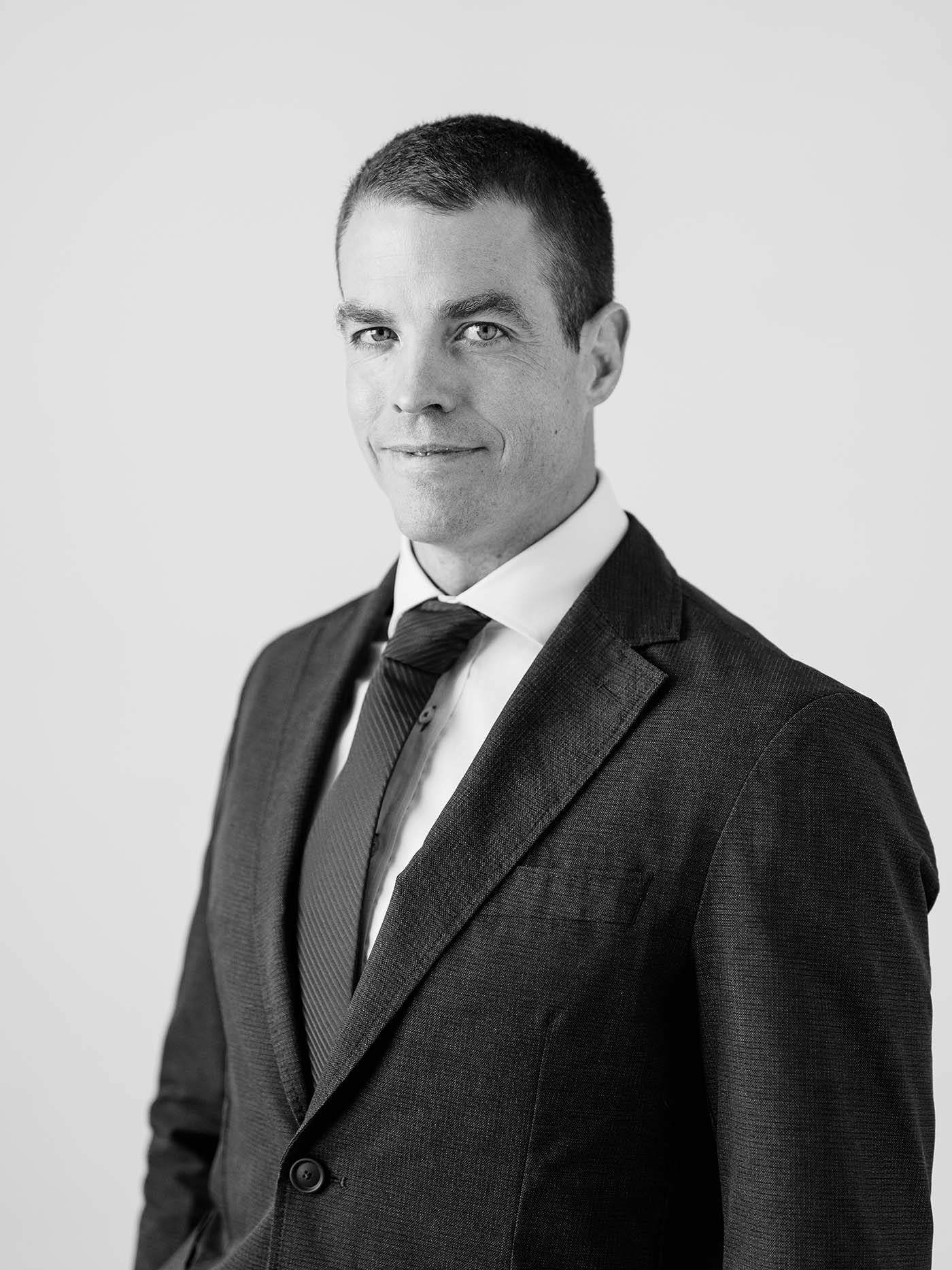
Press Photos and Headshots
Learn From Tyler
Watch Tyler break down complex research in the media. His conversations are evidence-driven, nuance-friendly, and built for curious minds.
Stay In The Loop
Occasional updates on new research, lectures, and public appearances.